For years, I thought I was just a bad sleeper. No matter how early I went to bed, I’d wake up exhausted, foggy, and irritable. I chalked it up to stress or bad habits. It wasn’t until I was officially diagnosed with sleep apnea in my mid-30s that I realized something deeper was going on.
The Clues I Ignored for Years
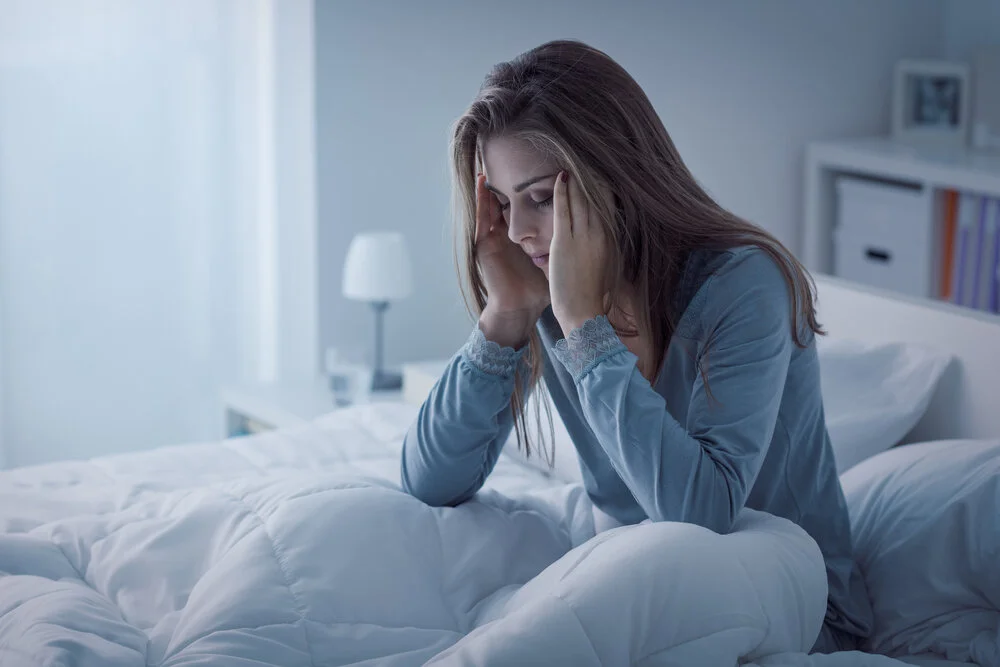
My sleep issues started gradually. I was always a “snorer,” according to family, but I didn’t think much of it. Lots of people snore, right? But over time, I started noticing some disturbing patterns:
- I’d wake up gasping for air.
- I felt tired all the time, even after a full eight hours.
- I started nodding off at my desk during the day.
- My memory got worse, and my moods took a dive.
Still, I resisted the idea that something might be medically wrong. Instead, I tried cutting caffeine, taking melatonin, and even doing yoga before bed. Nothing helped.
The Turning Point, and The Diagnosis That Changed Everything
What finally got me to take action was a short road trip with a friend. I drove us for just two hours, and after we arrived, I had to take a nap. My friend was concerned, she mentioned how loud my snoring had been in the passenger seat and how I stopped breathing a few times. Not breathing, that scared me; That comment stuck with me.
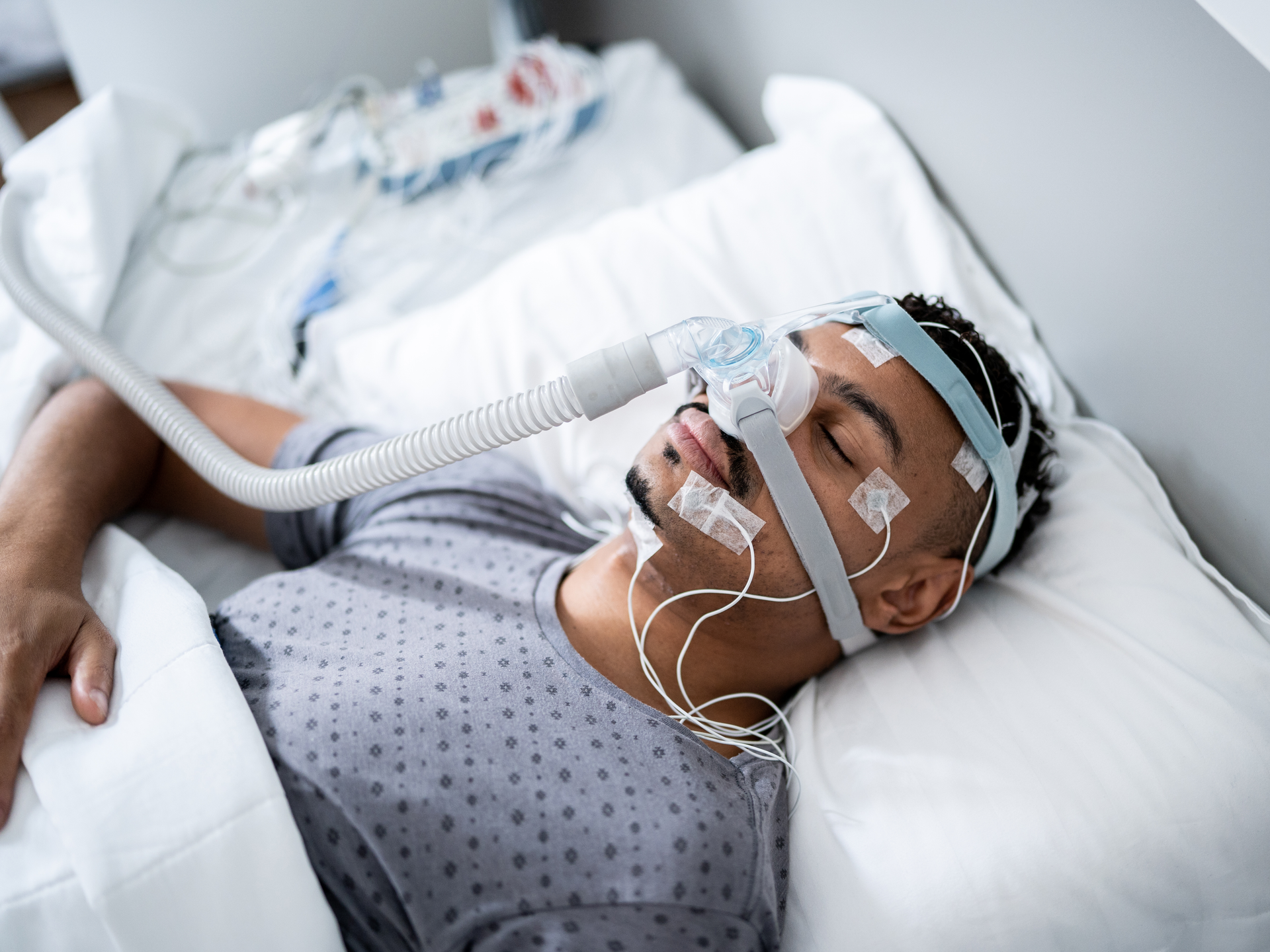
I made an appointment with a sleep specialist, who referred me for a sleep study. That night in the lab, I was wired up with electrodes and monitored as I slept. The results were shocking: I was experiencing obstructive sleep apnea with over 30 apnea events per hour. That meant my breathing stopped or became shallow more than once every two minutes!
Obstructive sleep apnea happens when the muscles in your throat relax too much during sleep, causing your airway to collapse and block airflow. My oxygen levels dropped repeatedly during the night, and my brain would wake me up, sometimes without me even realizing it, to restart breathing.
The sleep doctor explained that untreated sleep apnea can increase your risk of heart disease, stroke, high blood pressure, and even memory problems. I left that appointment with a CPAP machine prescription and a mix of relief and fear.
My First Night With a CPAP Machine and My New Normal
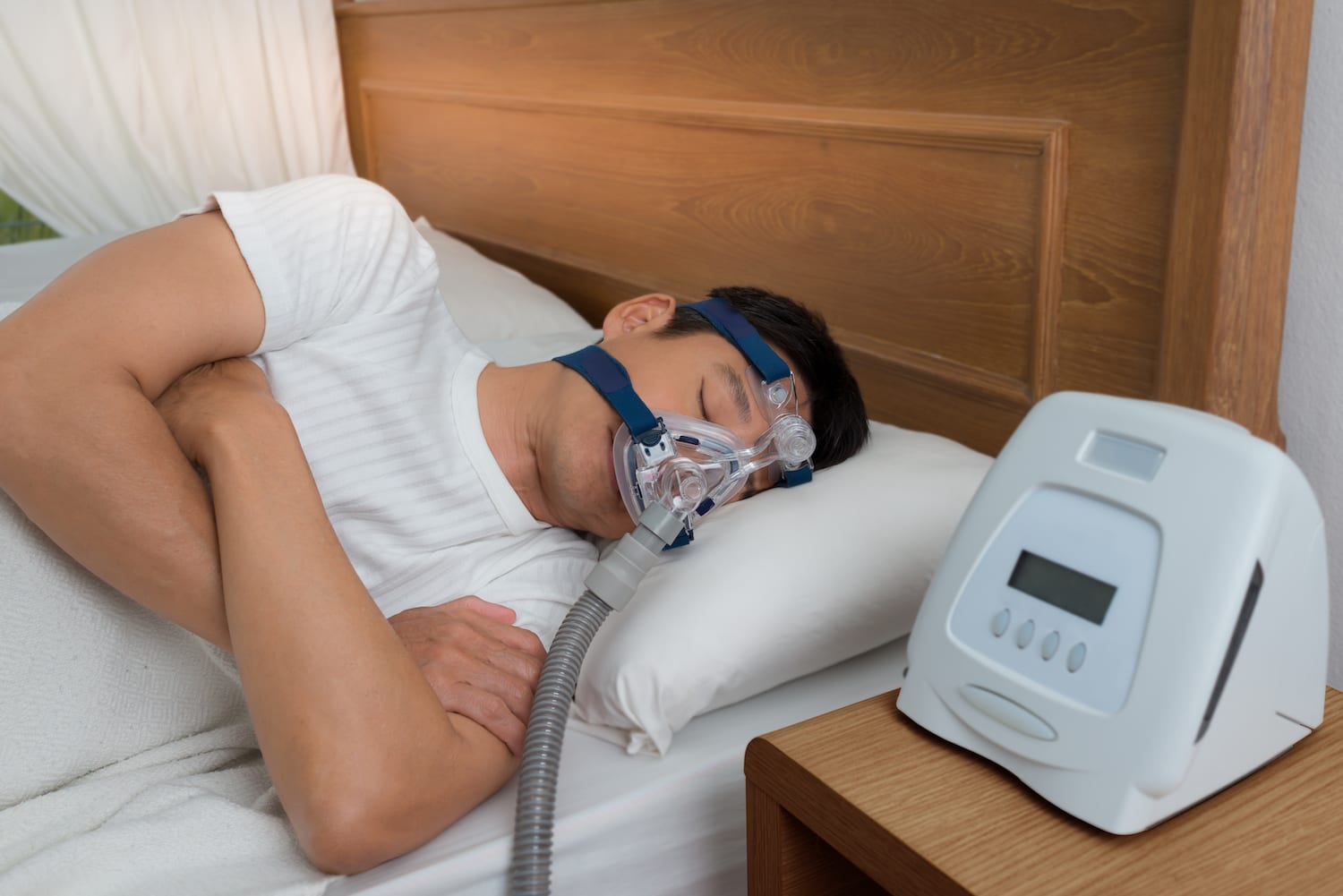
CPAP (Continuous Positive Airway Pressure) therapy involves wearing a mask over your nose or mouth connected to a machine that delivers steady air pressure to keep your airway open.
I won’t lie, using the machine the first night felt like trying to sleep in a wind tunnel. The mask felt awkward, and I was self-conscious. But something wild happened: I woke up feeling refreshed. It had been years since I felt that way. My energy was up, my brain fog began lifting, and my partner noticed the immediate lack of snoring.
Getting used to the CPAP took about two weeks. I had to try a couple of different mask styles and make small adjustments to pressure levels. But it became part of my routine, almost like brushing my teeth.
Over the months that followed:
- I stopped falling asleep at random during the day.
- My mood and concentration improved drastically.
- I even lost a little weight, probably from having the energy to exercise again.