Author: jj information

  • The Connection Between Physical and Mental Health: How They Influence Each Other

    The Connection Between Physical and Mental Health: How They Influence Each Other

    When we think about health, we often separate the mind from the body. However mental and physical health are deeply connected with each affecting the other in profound ways. Our mental health has a direct impact on our physical health; and conversely, our physical health can impact our mental state in numerous ways. 

    In recent years, health professionals have increasingly recognized the importance of taking a holistic approach to well-being, one that integrates both physical and mental health. In this blog, we’ll explore the connection between the two, why it matters, and how you can take steps to improve both your physical and mental health.

    The Link Between Physical and Mental Health

    The relationship between physical and mental health is bidirectional, meaning they both can affect each other. First, let’s start off by explaining how physical health affects mental health.  

    How Physical Health Affects Mental Health

    Chronic Illness and Mental Health
    Chronic physical illnesses like diabetes, heart disease, or arthritis often lead to mental health challenges, such as anxiety and depression. For example, people with chronic pain may experience symptoms of depression due to the constant discomfort and loss of independence. Even if an individual with a chronic illness is not led into anxiety or depression, it is highly probable that they would be less stressed without the illness— demonstrating how chronic illness inevitably manipulates mental health. 

    The Impact of Physical Activity
    Exercise is one of the most effective ways to improve mental health. When we exercise, our bodies release endorphins, which are natural chemicals that elevate our mood and reduce feelings of stress and anxiety. Physical activity has been shown to lower the risk of depression, improve cognitive function, and increase overall feelings of well-being. Regular exercise can also reduce the negative effects of chronic stress, making it easier to cope with difficult emotions. On top of this, regular physical activity may also set up a routine in the active individual’s life, which may stabilize their mental health as well as their day. 

    The Role of Sleep in Mental Health
    Good quality sleep is essential for maintaining both physical and mental health. Poor sleep is linked to numerous physical conditions, such as obesity, heart disease, and diabetes. Though, the impact of poor sleep extends beyond the physical body; it also negatively affects cognitive function and emotional regulation. Lack of sleep can lead to irritability, heightened stress levels, and impaired decision-making. Furthermore, inadequate rest has also been linked to the development of mood disorders like depression and anxiety. 

    If you are not giving your body time to recharge, you are constantly operating on low power mode. Like our phones are slower on low power mode— we are too— and the feeling of falling behind is never a happy one. 

    Nutrition’s Role in Mental Well Being
    The food we eat can significantly affect our brain function and mental health. A healthy, balanced diet rich in fruits, vegetables, whole grains, and lean proteins helps ensure the proper functioning of our body and brain. On the flip side, an unhealthy diet, especially one high in processed foods and sugar, can lead to inflammation, blood sugar imbalances, and deficiencies in essential nutrients— all of which can contribute to mental health issues like mood swings, irritability, and cognitive decline.

    How Mental Health Affects Physical Health

    Now, let’s consider how mental health impacts our physical well-being. Mental health conditions like stress, anxiety, and depression can manifest physically in various ways, affecting multiple systems in the body.

    Stress and the Body
    Chronic stress is one of the most damaging ways that mental health can affect physical health. When we experience stress, our bodies release cortisol, a hormone that helps us respond to threats. While cortisol can be helpful in short bursts, prolonged stress and high levels of cortisol can negatively affect the body. It can lead to conditions such as high blood pressure, digestive problems, and weakened immune function. Over time, chronic stress can increase the risk of heart disease, obesity, and diabetes.

    The Impact of Depression on the Body
    Depression is more than just a mental state; it can have wide-reaching effects on physical health. People with depression often experience chronic fatigue, muscle aches, headaches, and digestive issues. Depression is also associated with a weakened immune system, which can make individuals more susceptible to infections and illnesses. Furthermore, depression can lead to changes in appetite, either causing overeating or loss of appetite, which can contribute to weight gain or weight loss.

    Anxiety and Physical Symptoms
    Anxiety is another mental health condition that manifests physically. People with anxiety often experience symptoms such as rapid heartbeat, shortness of breath, muscle tension, and dizziness. Anxiety can also contribute to gastrointestinal issues like stomach cramps or irritable bowel syndrome (IBS). Over time, the physical symptoms of anxiety can affect a person’s ability to carry out daily tasks, affecting both their quality of life and their overall physical health.

    Mental Health and the Immune System
    Research has shown that mental health conditions like stress and depression can weaken the immune system, making the body less able to fight off illness. This can lead to more frequent colds, infections, and other illnesses. Additionally, individuals with poor mental health may engage in behaviors that further weaken the immune system, such as smoking, overeating, or not getting enough exercise.

    How to Improve Both Physical and Mental Health

    Given the strong connection between physical and mental health, it’s important to take a comprehensive approach to improve both aspects of well-being. Here are some strategies that can help boost both your physical and mental health:

    Exercise Regularly

    As mentioned earlier, physical activity plays a key role in maintaining mental health. Regular exercise can reduce the symptoms of anxiety, depression, and stress while also improving overall physical health. You don’t have to engage in intense workouts — even moderate activities like walking, yoga, or swimming can provide significant benefits. Aim for at least 30 minutes of physical activity most days of the week.

    Eat a Balanced Diet

    A nutritious diet is essential for both mental and physical health. Incorporate a variety of fruits, vegetables, lean proteins, and whole grains into your meals to nourish your body and brain. Certain nutrients, such as omega-3 fatty acids, vitamins, and minerals, play a key role in brain function and emotional regulation. Avoid excessive amounts of processed foods, sugary snacks, and caffeine, which can negatively impact your mood and energy levels.

    Prioritize Sleep

    Sleep is crucial for both physical and mental health. Aim for 7-9 hours of quality sleep per night to allow your body and mind to recharge. To improve your sleep, create a calming bedtime routine, maintain a consistent sleep schedule, and avoid screens before bed. Also, ensure your sleep environment is quiet, dark, and comfortable.

    Practice Stress Management

    Chronic stress can take a significant toll on both mental and physical health, so it’s important to find healthy ways to manage stress. Mindfulness techniques like meditation, deep breathing, and yoga can help reduce stress and promote relaxation. It’s also helpful to engage in activities that you enjoy, such as spending time with loved ones, hobbies, or being in nature. Regular relaxation practices can help balance cortisol levels and reduce the negative effects of stress on the body.

    Seek Professional Help

    If you’re struggling with your mental health, don’t hesitate to reach out for help. Therapists, counselors, and mental health professionals can provide valuable support and strategies for managing mental health conditions. Additionally, if you have a physical health condition, working with a healthcare provider to manage it can improve both your physical and mental well-being.

    Conclusion

    The connection between physical and mental health is undeniable. The state of our bodies directly affects our mental well-being, and our minds have a profound impact on our physical health. Taking a holistic approach to health — one that considers both mind and body — is essential for achieving optimal well-being.
    By incorporating healthy habits like regular exercise, a balanced diet, quality sleep, stress management, and seeking professional support when needed, we can improve both our physical and mental health. Remember, achieving a healthy mind and body is a journey, not a destination, and small, consistent steps can make a world of difference in your overall well-being.

  • Why Sleep is Your Superpower

    Sleep and Mental Health

    We live in a culture that often glorifies the hustle; late nights, early mornings, endless to-do lists. But behind the screens and endless caffeine lies a powerful, natural tool for healing, focus, and emotional well-being: sleep. If you’re someone who struggles with rest or wants to improve your mental health, nows the time to take a closer look at your sleep schedule. Turns out, your sleep health might just save your mental health.

    Sleep Isn’t Just “Rest”, It’s Recovery

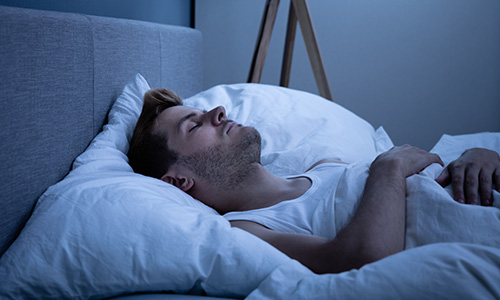
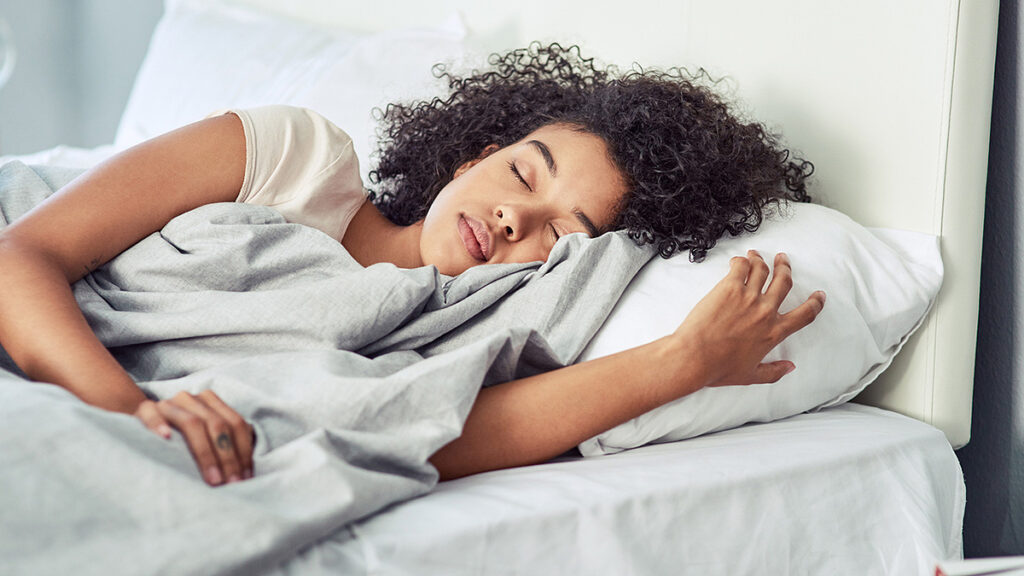
    A young woman resting peacefully, highlighting the importance of quality sleep. Image by LaylaBird, courtesy of Getty Images/iStockphoto. © Yuri Arcurs Production (IAURI). Used with license.

    Think of sleep not as turning off, but as tuning up.

    When you sleep, your body and brain go into active maintenance mode. Your muscles repair themselves, your immune system resets, and your brain literally cleans out toxins that build up during the day. More importantly, your emotional brain recalibrates. This is why after a good night’s rest, problems often seem more manageable and your reactions more grounded.

    Sleep affects:

    • Cognitive function: Memory, decision-making, and learning all suffer when you’re sleep-deprived.
    • Mood regulation: People who get less sleep are more likely to experience irritability, anxiety, and even depression.
    • Hormonal balance: Sleep influences appetite hormones, stress hormones (like cortisol), and neurotransmitters that impact your mood and focus.

    It’s a Two Way Street

    Poor sleep can cause mental health symptoms, but mental health challenges can also cause poor sleep. It’s a two-way street.

    For example:

    • People with anxiety disorders often find it hard to fall asleep due to racing thoughts.
    • Those with depression might sleep too little or too much—and still feel exhausted.
    • Conditions like PTSD or bipolar disorder can disrupt circadian rhythms, making it difficult to keep a regular sleep schedule.

    Sleep problems are not just a symptom of mental illness, they can be a contributing factor. That’s why professionals increasingly treat sleep quality as a vital sign of mental well-being.

    How Much Sleep Do You Actually Need?

    It’s a myth that adults can “train” themselves to thrive on five hours of sleep. The National Sleep Foundation recommends:

    • Teens (14–17 years): 8–10 hours
    • Young adults (18–25 years): 7–9 hours
    • Adults (26–64 years): 7–9 hours
    • Older adults (65+): 7–8 hours

    Of course, quality matters too. Waking up every hour or tossing and turning all night can leave you feeling drained, even if you clocked a full 8 hours.

    When to Seek Help

    If you’ve tried everything and still can’t sleep—or your poor sleep is affecting your ability to function during the day—it may be time to speak with a professional. Sometimes underlying anxiety, trauma, or depression is at the root of your restless nights.

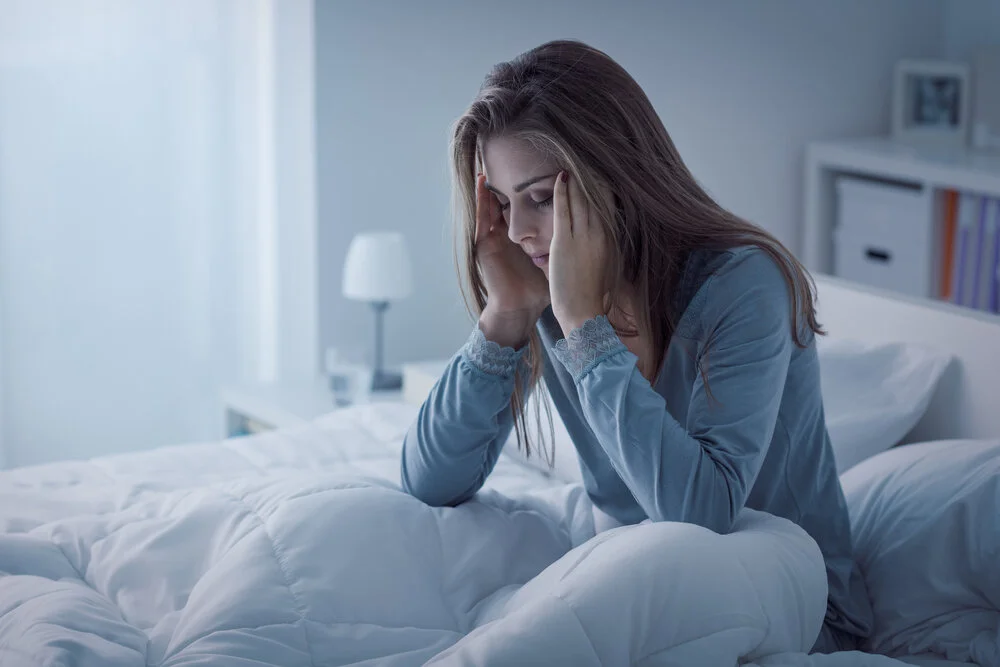
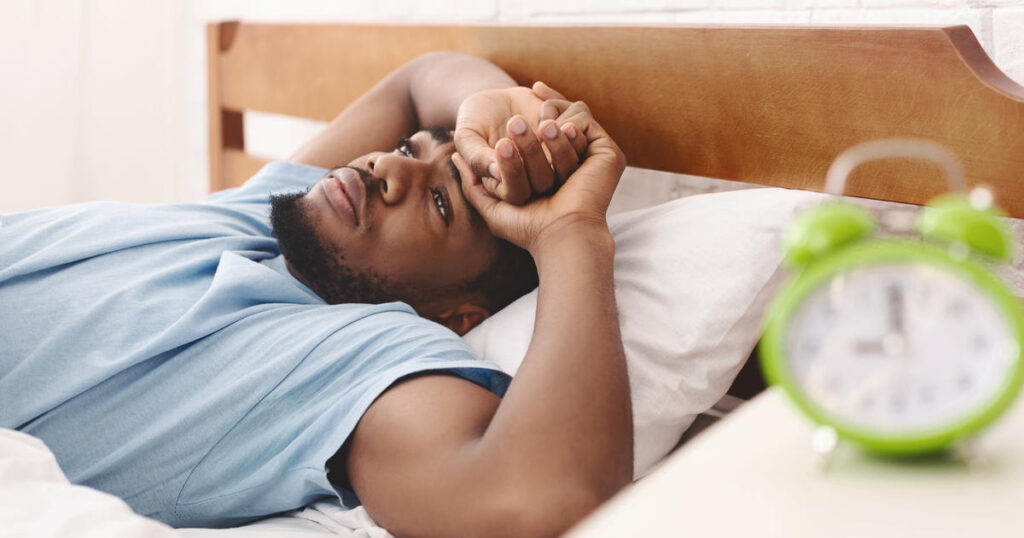
    A man awake in a bad mood, representing the importance of restorative sleep. Image by Prostock-Studio, courtesy of Getty Images/iStockphoto. Used with license.

    The good news? There are evidence-based treatments that can help you reclaim rest and restore your mental health. Cognitive Behavioral Therapy for Insomnia (CBT-I), for example, has been shown to be incredibly effective, and it doesn’t rely on medication.

    If you’re looking for support, MentalService.com offers a wide range of virtual mental health services, including resources for sleep-related challenges. Whether you’re battling insomnia, navigating anxiety, or just need someone to talk to, they can connect you with trained professionals and forums who understand what you’re going through. Their platform makes it easy to get the help you need, on your schedule.

    Sleep is Self Care

    We tend to feel guilty for resting. But here’s the truth: sleep is not a luxury. It’s a biological necessity. Prioritizing rest doesn’t make you weak; it makes you stronger, more focused, and better equipped to deal with life.

    If your brain were a computer, would you really want to be operating on a 5% charge for the whole day? It’s important to start at 100%, so let yourself charge up!

    So tonight, give yourself permission to power down. Turn off the notifications. Let your body rest. Let your mind reset. And if you’re struggling to make sleep work for you, know that help is out there, and you’re not alone.

    Check out MentalService.com to learn more about how mental health support can also support your sleep goals.

  • Sleep Paralysis, The Scariest Wake-Up Call I’ve Ever Had

    It started in college. I remember waking up one morning in my dorm room and being completely unable to move. My eyes were open, I could see everything, but my body was frozen. Worse, I felt a heavy pressure on my chest and what I can only describe as a dark presence in the room. I tried to scream, but nothing came out. I thought I was dying.

    That was my first encounter with sleep paralysis—and unfortunately, not my last.

    What Is Sleep Paralysis?

    Sleep paralysis is a phenomenon where you wake up, or fall asleep, and for a few terrifying minutes, you can’t move or speak. It’s often accompanied by hallucinations, visual, auditory, and even tactile sensations. Some people report seeing shadowy figures, hearing whispers, or feeling pressure on their chest, a sensation often linked to stories of demonic visits or alien abductions.

    It turns out that sleep paralysis is a natural glitch in the sleep cycle. During REM (rapid eye movement) sleep, your body is paralyzed so you don’t physically act out your dreams. If you wake up before the REM cycle ends, your mind becomes conscious while your body is still in that paralyzed state.

    Lorem Ipsum has been the industry’s standard dummy text ever since the 1500s.

    My Triggers

    I started to notice a few patterns:

    • Sleep paralysis often happened after pulling an all-nighter or sleeping irregular hours.
    • It was more frequent when I slept on my back.
    • It usually occurred when I was under a lot of stress.

    I once experienced sleep paralysis three nights in a row during finals week. That’s when I knew I had to figure out how to manage it.

    How I Learned to Cope

    After some deep research (and talking with a sleep therapist), I learned several techniques that helped me reduce the frequency and fear around sleep paralysis:

    1. Sleep Hygiene Matters

    Going to bed and waking up at the same time every day was my first step. I also cut back on caffeine after 2 p.m. and limited screen time before bed.

    2. Avoid Sleeping on My Back

    This alone drastically reduced my episodes. I started using a body pillow to stay on my side, and it made a noticeable difference.

    3. Mindfulness and Breathing Techniques

    When an episode struck, I learned not to panic. I focused on slow breathing and trying to wiggle my toes or fingers, which helped break the paralysis.

    4. Track Sleep and Stress

    I kept a sleep journal and started noting when I was more likely to experience an episode. High stress + erratic sleep was almost always the trigger.

    What It Taught Me

    Sleep paralysis is terrifying, but it’s also harmless. That’s something I had to remind myself constantly. It didn’t mean I was being haunted or going crazy—it was my brain and body being slightly out of sync.

    Now, it’s been years since I’ve had a major episode. I still sometimes get that “half-wake” feeling when I’m very stressed, but I know how to deal with it. I recognize the early signs, focus on breathing, and it passes.

  • My Story With Sleep Apnea – How I Finally Got My Life (and Sleep) Back

    My Story With Sleep Apnea – How I Finally Got My Life (and Sleep) Back

    For years, I thought I was just a bad sleeper. No matter how early I went to bed, I’d wake up exhausted, foggy, and irritable. I chalked it up to stress or bad habits. It wasn’t until I was officially diagnosed with sleep apnea in my mid-30s that I realized something deeper was going on.

    The Clues I Ignored for Years

    My sleep issues started gradually. I was always a “snorer,” according to family, but I didn’t think much of it. Lots of people snore, right? But over time, I started noticing some disturbing patterns:

    • I’d wake up gasping for air.
    • I felt tired all the time, even after a full eight hours.
    • I started nodding off at my desk during the day.
    • My memory got worse, and my moods took a dive.

    Still, I resisted the idea that something might be medically wrong. Instead, I tried cutting caffeine, taking melatonin, and even doing yoga before bed. Nothing helped.

    The Turning Point, and The Diagnosis That Changed Everything

    What finally got me to take action was a short road trip with a friend. I drove us for just two hours, and after we arrived, I had to take a nap. My friend was concerned, she mentioned how loud my snoring had been in the passenger seat and how I stopped breathing a few times. Not breathing, that scared me; That comment stuck with me.

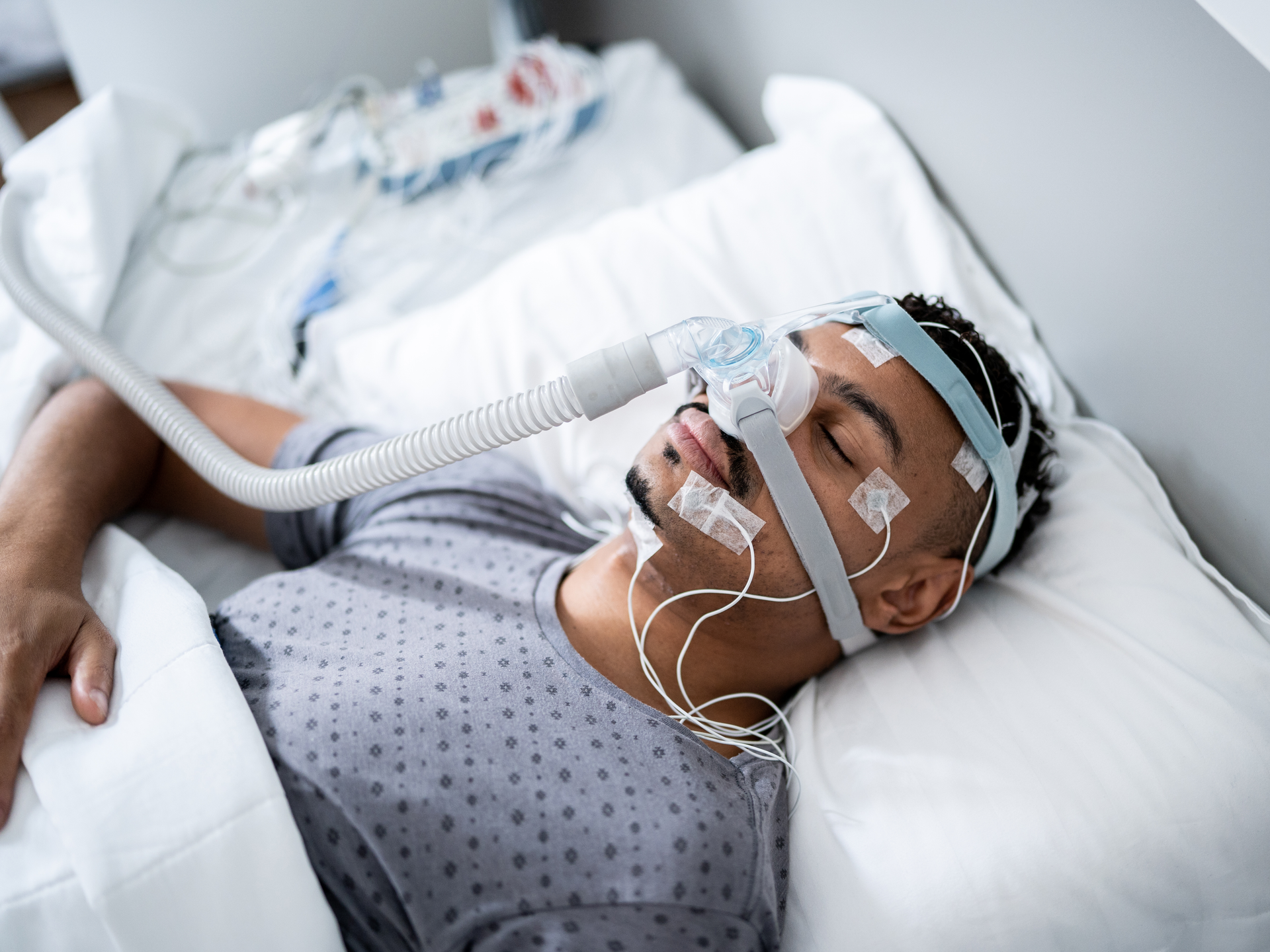
    I made an appointment with a sleep specialist, who referred me for a sleep study. That night in the lab, I was wired up with electrodes and monitored as I slept. The results were shocking: I was experiencing obstructive sleep apnea with over 30 apnea events per hour. That meant my breathing stopped or became shallow more than once every two minutes!

    Obstructive sleep apnea happens when the muscles in your throat relax too much during sleep, causing your airway to collapse and block airflow. My oxygen levels dropped repeatedly during the night, and my brain would wake me up, sometimes without me even realizing it, to restart breathing.

    The sleep doctor explained that untreated sleep apnea can increase your risk of heart disease, stroke, high blood pressure, and even memory problems. I left that appointment with a CPAP machine prescription and a mix of relief and fear.

    My First Night With a CPAP Machine and My New Normal

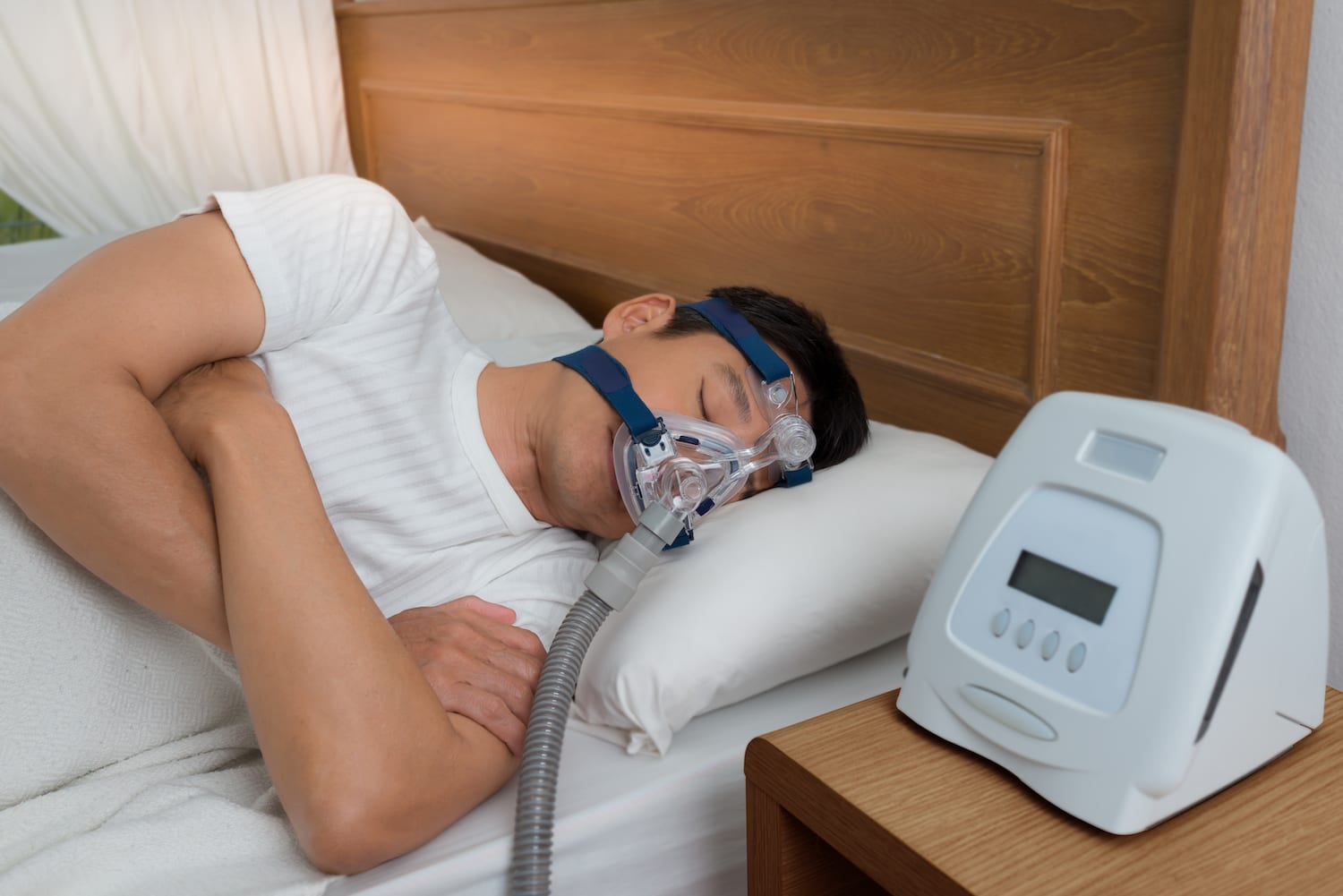
    CPAP (Continuous Positive Airway Pressure) therapy involves wearing a mask over your nose or mouth connected to a machine that delivers steady air pressure to keep your airway open.

    I won’t lie, using the machine the first night felt like trying to sleep in a wind tunnel. The mask felt awkward, and I was self-conscious. But something wild happened: I woke up feeling refreshed. It had been years since I felt that way. My energy was up, my brain fog began lifting, and my partner noticed the immediate lack of snoring.

    Getting used to the CPAP took about two weeks. I had to try a couple of different mask styles and make small adjustments to pressure levels. But it became part of my routine, almost like brushing my teeth.

    Over the months that followed:

    • I stopped falling asleep at random during the day.
    • My mood and concentration improved drastically.
    • I even lost a little weight, probably from having the energy to exercise again.

    If you think you have Sleep Apnea, don’t brush it off. Don’t struggle in silence, and listen to the wake-up calls; learn to enjoy sleep again.